
What In-home Care Really Looks Like
Deep dive into what in-home care really looks like (and when families usually need it).
2/12/20251 min read
What In-home Care Really Looks Like
Common Signs It's Time for Help
Recognizing when it’s time for help can be difficult, but early support can make a meaningful difference. Common signs include:
Difficulty with daily activities like bathing, dressing, or meal preparation
Changes in hygiene or appearance
Increased forgetfulness or confusion
Mobility issues or frequent falls
Poor nutrition or weight changes
neglected household tasks; and noticeable shifts in mood, such as withdrawal or loneliness
Caregiver stress is also an important indicator that additional support may be needed.
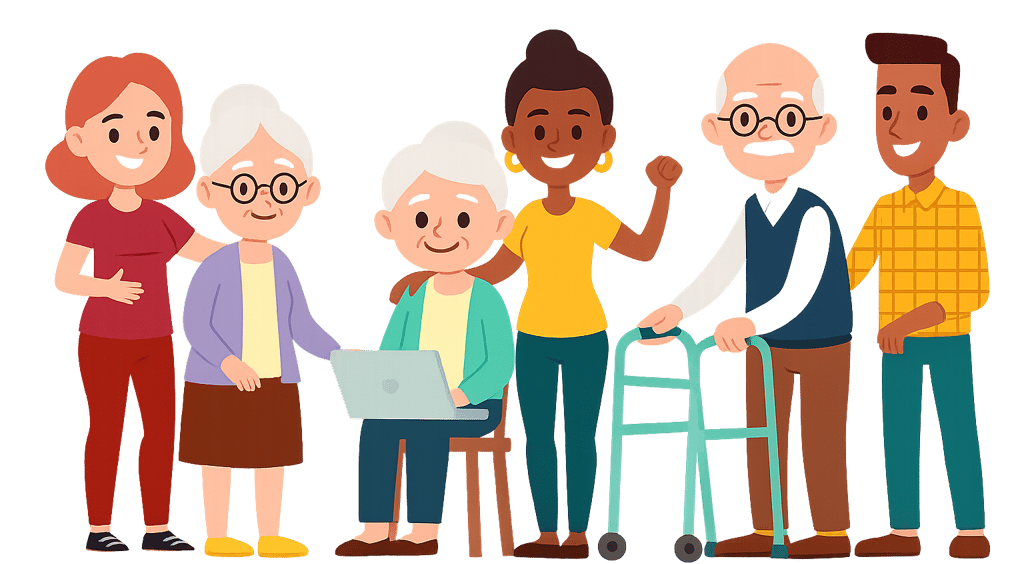
Bringing in in-home care doesn’t mean losing independence. It often helps individuals stay safe, comfortable, and confident in their own homes.
Types of In-home Support
In-home care offers flexible support tailored to individual needs.
Companionship provides meaningful social interaction, conversation, and engagement to reduce loneliness and support emotional well-being.
Personal care includes hands-on assistance with daily activities such as bathing, dressing, grooming, and mobility, helping individuals stay safe and comfortable at home.
Respite care offers temporary relief for family caregivers, ensuring their loved one receives quality care while they rest, recharge, or attend to other responsibilities.
Together, these services create a balanced approach to care that supports both individuals and their families.
Care Can Start Small
In-home care doesn’t have to be all or nothing. Care can start small. Perhaps just a few hours a week for companionship and light assistance. Then gradually adjust as needs change. This flexible approach allows individuals to remain in control of their routines while building trust and comfort with support, making the transition to care feel natural, respectful, and empowering rather than overwhelming.






© 2026 Simply Comfort Home Care. All rights reserved.
Follow Us