
Alzheimer's & Brain Awareness Month
Here are some surprising dementia facts that you might not have already known and some helpful ways to deals with it.
6/4/20262 min read
Small Steps Today Can Make a Big Difference Tomorrow
Why Brain Health Deserves Our Attention
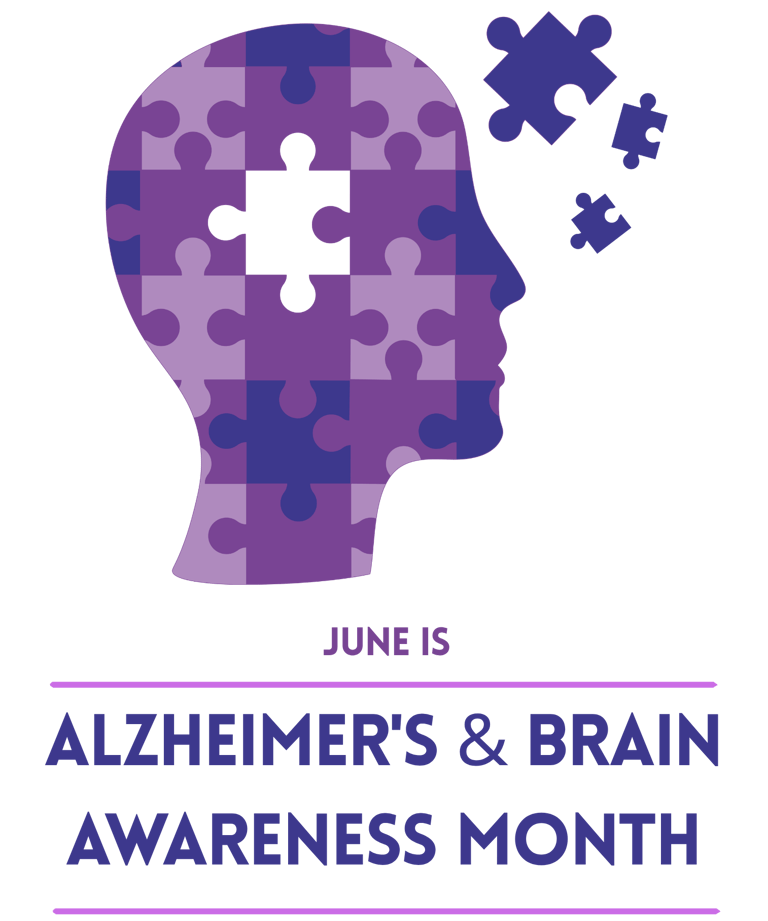
Every June, Alzheimer's & Brain Awareness Month shines a light on the importance of brain health. It is a time to learn, share, and support those affected by memory loss and cognitive decline.
Alzheimer's disease is the most common cause of dementia. It affects millions of older adults and touches countless families, caregivers, and healthcare professionals. While aging is a natural part of life, significant memory loss is not.
This month reminds us that knowledge matters. Recognizing early signs, making healthy choices, and supporting loved ones can help people live with greater confidence and dignity.
Early Warning Signs: What to Watch For
Most people forget things from time to time. Misplacing keys or forgetting a name occasionally is normal. But some changes may signal a deeper concern.
Common early warning signs of Alzheimer's disease may include:
Frequent memory loss that disrupts daily life
Repeating questions or stories
Difficulty following familiar instructions
Trouble managing bills or finances
Getting confused about dates or places
Changes in mood, personality, or judgment
Withdrawing from social activities
Imagine a grandmother who never misses a birthday. Over several months, she begins forgetting family events, misses appointments, and struggles to follow recipes she has made for years. These changes may be worth discussing with a healthcare provider.
Early evaluation can help families understand what is happening and plan for the future.
Brain-Healthy Habits That Support Cognitive Wellness
There is no guaranteed way to prevent Alzheimer's disease. However, research shows that healthy lifestyle choices can support overall brain health.
Here are a few habits worth building:
Stay Physically Active: Regular movement increases blood flow to the brain. Walking, gardening, stretching, or dancing can all make a difference.
Keep Your Mind Engaged: Reading, puzzles, learning a new skill, or even having meaningful conversations can help keep the brain active.
Eat for Better Health: Focus on fruits, vegetables, whole grains, lean proteins, and healthy fats. Drinking enough water is important too.
Prioritize Sleep: Poor sleep can affect memory and concentration. Aim for consistent, quality rest whenever possible.
Stay Connected: Strong social connections support emotional and cognitive well-being. Phone calls, community groups, family visits, and volunteer activities all help reduce isolation.
Small actions taken consistently often have the greatest impact over time.
Supporting a Loved One with Memory Loss
Watching someone you care about struggle with memory changes can be difficult. Many caregivers feel overwhelmed, frustrated, or unsure of what to do next.
But support does not have to be complicated.
Start by listening with patience. Avoid correcting every mistake or arguing about forgotten details. Instead, offer reassurance and focus on the person's feelings.
Create simple routines. Consistent schedules can reduce confusion and anxiety.
Break tasks into smaller steps. A little guidance can help someone maintain independence longer.
Most importantly, remember that caregivers need support too. As a caregiver, taking breaks, asking for help, and connecting with community resources are essential parts of providing quality care.
No one should have to walk this journey alone.There is no guaranteed way to prevent Alzheimer's disease. However, research shows that healthy lifestyle choices can support overall brain health.






© 2026 Simply Comfort Home Care. All rights reserved.
Follow Us